About This Plan
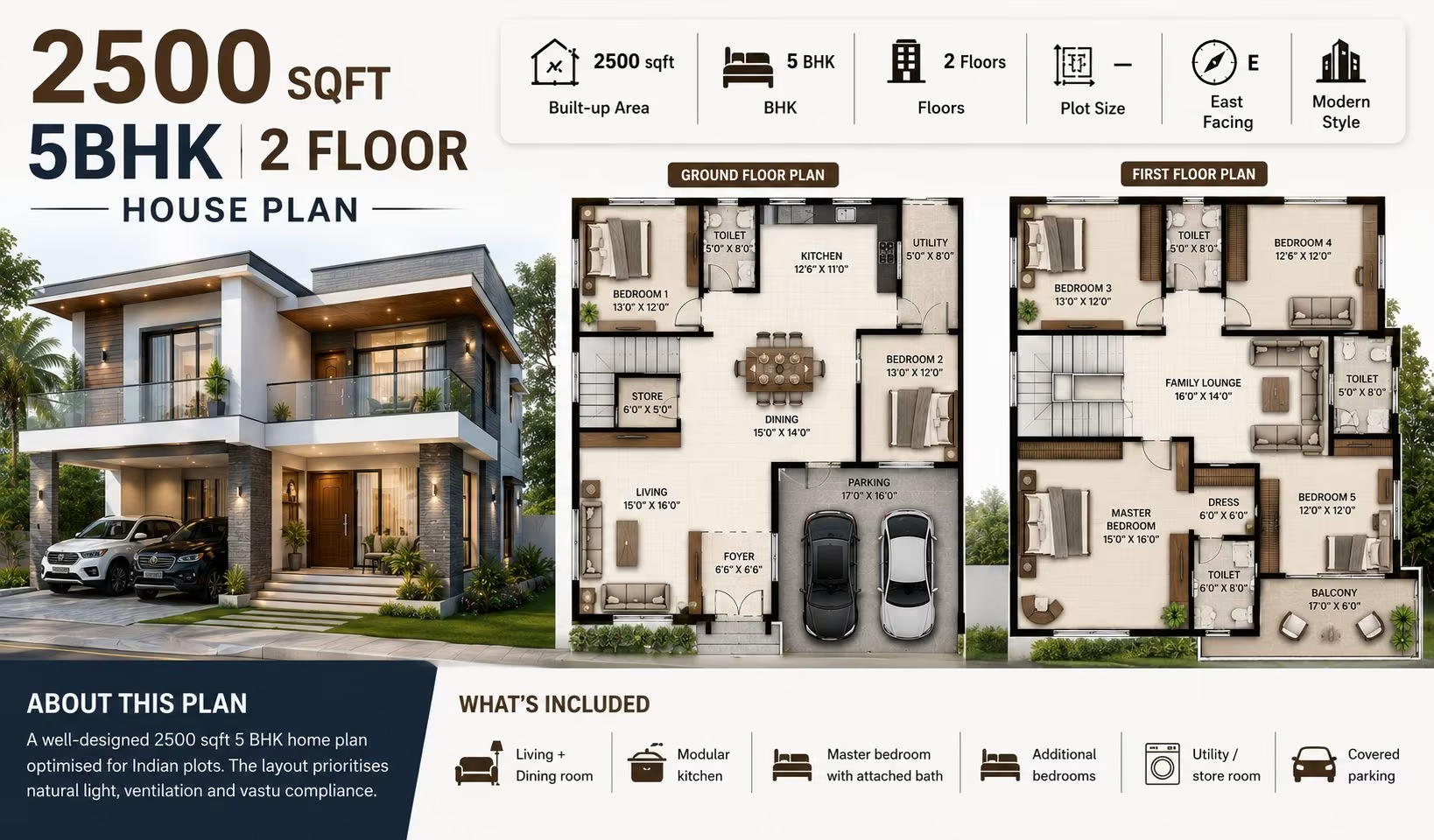
A well-designed 2500 sqft 5 BHK home plan optimised for Indian plots. The layout prioritises natural light, ventilation and vastu compliance.
What's Included
- Living + Dining room
- Modular kitchen
- Master bedroom with attached bath
- Additional bedrooms
- Utility / store room
- Covered parking
2500 Sq Ft 5 BHK House Plan: 2-Floor East-Facing Modern Home Design for Indian Families
A 2500 sq ft 5 BHK home spread across two floors is an excellent choice for Indian families looking for a spacious, practical, and future-ready house design. This layout offers enough room to accommodate growing families, elderly parents, guests, and modern lifestyle requirements such as a home office or study area. At BuildHQ, we help homeowners understand how to plan and optimize a 2500 sq ft 5 BHK 2-floor house so that every square foot contributes to comfort, functionality, and long-term value.
A well-designed 2500 sq ft 5 BHK 2-floor house plan creates a perfect balance between shared family spaces and private living areas. The east-facing orientation further enhances the home's appeal by allowing natural morning sunlight to enter the house while supporting good ventilation throughout the day. This combination of thoughtful planning and modern design makes it one of the most popular house configurations for medium to large Indian families.
Why Choose a 2500 Sq Ft 5 BHK 2-Floor House Plan
A 5-bedroom home offers flexibility that smaller layouts often cannot provide. Whether you have a joint family, frequent guests, or need dedicated work and study spaces, this configuration provides room for changing family needs over time.
Benefits include:
- Five spacious bedrooms for family members and guests
- Better privacy through floor-wise room distribution
- Dedicated space for work-from-home or study requirements
- Comfortable accommodation for elderly parents
- Ample room for future family expansion
- Efficient use of plot area with a two-floor design
- Enhanced natural light and ventilation
- Greater long-term property value
A 2500 sq ft layout is large enough to provide comfort while remaining practical to construct and maintain.
Floor-Wise Layout Breakdown
Ground Floor
The ground floor is typically designed as the primary family interaction zone. It often includes a spacious living room, dining area, modern kitchen, one or two bedrooms, bathrooms, and parking space.
The living room serves as the central gathering area where family members and guests can comfortably interact. Adjacent to it, the dining area creates a seamless connection between social and dining spaces.
A modular kitchen with an attached utility area improves functionality and provides additional storage for household essentials.
One or two bedrooms on the ground floor are particularly useful for elderly family members, guests, or individuals who prefer avoiding stairs. A common bathroom and powder room can also be incorporated for convenience.
The entrance porch and covered parking area contribute to both practicality and curb appeal.
First Floor
The first floor is generally reserved for private family spaces. This level typically accommodates the remaining bedrooms along with additional amenities.
The master bedroom often includes an attached bathroom, wardrobe space, and access to a balcony. Additional bedrooms can be designed for children, family members, or future use.
A family lounge on the first floor provides a separate relaxation area that can be used for entertainment, reading, or family gatherings.
Balconies improve ventilation while offering outdoor seating space and enhanced exterior aesthetics. Depending on family requirements, a study room, home office, prayer room, or hobby space can also be incorporated into the layout.
Advantages of an East-Facing House Design
East-facing homes continue to be highly preferred among Indian homeowners due to both practical and cultural considerations.
Better Morning Sunlight
An east-facing house receives abundant morning sunlight, helping create brighter and healthier living spaces.
Improved Ventilation
Proper orientation allows better airflow throughout the home, reducing heat buildup and improving indoor comfort.
Vastu-Friendly Layout
Many homeowners prefer east-facing homes because they align well with traditional Vastu principles and are often considered auspicious.
Energy Efficiency
Natural daylight can reduce dependence on artificial lighting during daytime hours, contributing to lower electricity consumption.
Design Considerations for This House Plan
Smart Bedroom Distribution
Placing one or two bedrooms on the ground floor and the remaining bedrooms upstairs creates a practical balance between accessibility and privacy.
Efficient Staircase Placement
The staircase should be centrally located to provide easy access without consuming excessive floor space.
Open Living Areas
Modern families often prefer open layouts that visually connect the living room, dining area, and kitchen while maintaining a spacious atmosphere.
Natural Ventilation Planning
Windows and openings should be strategically positioned to maximize cross-ventilation throughout both floors.
Future Expansion Possibilities
While designing the house, homeowners should consider potential future requirements such as additional storage, office space, or terrace development.
Parking and Setback Requirements
Parking space, side setbacks, and front open areas should comply with local building regulations before finalizing the floor plan.
Popular Features Included in Modern 5 BHK Homes
Today's homeowners seek more than just additional bedrooms. Modern house plans often include features that improve convenience and lifestyle quality.
Popular additions include:
- Modular kitchen with utility area
- Spacious master suite
- Family lounge
- Balcony or terrace access
- Home office or study room
- Walk-in wardrobe space
- Dedicated storage areas
- Covered car parking
- Indoor-outdoor living spaces
These features make the home more functional and adaptable to changing family needs.
Helpful Planning Topics
When preparing to build a 2500 sq ft 5 BHK home, homeowners should research and plan for:
- Construction cost estimation for a 2500 sq ft house
- RCC frame structure planning
- Material quantity estimation
- Vastu guidelines for east-facing homes
- Bedroom and bathroom placement strategies
- Electrical and plumbing planning
- Balcony and elevation design ideas
- Interior budgeting and furniture planning
- Energy-efficient home design techniques
Proper planning at the beginning can help reduce delays, avoid unnecessary expenses, and improve overall project quality.
Benefits of Planning with BuildHQ
Better Construction Planning
Understand room layouts, space utilization, and design possibilities before construction begins.
Practical House Design Ideas
Explore layouts that balance aesthetics, comfort, and day-to-day functionality.
Smarter Budget Management
Estimate costs accurately and allocate budgets efficiently across structural and finishing stages.
Improved Decision-Making
Avoid common planning mistakes by understanding design requirements before finalizing construction drawings.
Construction Knowledge in One Place
Access planning guides, material information, cost insights, and design resources through BuildHQ.
Build Your 2500 Sq Ft 5 BHK Dream Home with BuildHQ
A 2500 sq ft 5 BHK 2-floor east-facing house plan offers the ideal combination of space, comfort, privacy, and modern functionality. Whether you're building for a growing family, accommodating multiple generations, or planning a future-ready home, this layout provides the flexibility needed for comfortable long-term living.
With thoughtful room distribution, abundant natural light, modern design elements, and an east-facing orientation, this house plan remains one of the most practical and desirable choices for Indian homeowners. BuildHQ helps you explore house plans, construction guidance, and planning resources to make your dream home a reality.
Frequently Asked Questions
What is included in this 2500 sq ft 5 BHK 2-floor house plan? This plan typically includes five bedrooms, a spacious living room, dining area, modern kitchen, multiple bathrooms, balconies, utility space, family lounge, and covered parking distributed across two floors.
How are the 5 bedrooms distributed across the two floors? Most layouts place one or two bedrooms on the ground floor for guests or elderly family members, while the remaining bedrooms are located on the first floor for greater privacy.
Why is an east-facing 5 BHK house plan popular in India? East-facing homes receive pleasant morning sunlight, offer good ventilation, and are often preferred due to Vastu-related beliefs and planning considerations.
Is a 2500 sq ft 5 BHK house suitable for a joint family? Yes. The spacious layout provides enough bedrooms and common areas to comfortably accommodate joint and multi-generational families.
Does this house plan include parking space? Yes. Most 2500 sq ft 5 BHK house plans include dedicated covered or open parking space for one or more vehicles.
Can this house plan include a home office or study room? Yes. One of the bedrooms or an additional flexible space can easily be converted into a home office, study room, or library.
What plot sizes are suitable for a 2500 sq ft 5 BHK house? Common plot sizes include 30x50, 40x60, 35x65, and other medium-to-large residential plots, depending on local building regulations.
Is this house plan Vastu-friendly? The layout can be customized according to Vastu principles, including the placement of the entrance, kitchen, bedrooms, and staircase.
What are the advantages of a 2-floor house compared to a 3-floor house? A 2-floor house provides larger room sizes, simpler movement between levels, lower maintenance requirements, and often lower construction costs compared to a 3-floor design.
Is a 2500 sq ft 5 BHK house a good long-term investment? Yes. A spacious 5 BHK home offers flexibility for future family growth, strong resale appeal, and long-term living comfort, making it a valuable residential investment.
Our architects will adapt this plan to your exact plot and requirements.